
Key Takeaways
- The operation running out of your head and a notebook is organized. The organization is stored where only one person can reach it, and that is the whole of the problem.
- A manual operation has no route to an answer that doesn't pass through a person, so the person becomes the route. Every judgement you absorb makes the next one easier to absorb.
- Getting organized is a transfer. You already have the system. It needs somewhere to live that other people can open.
Anyone searching how to organize a maintenance department has usually decided the problem is them. There's a more useful reading. You built something that works out of a notebook, a phone, and fifteen years of pattern recognition, and it has run well enough that nobody above you has ever asked how. That is the achievement and the problem in one sentence.
Why does a maintenance operation end up living in one person's head?
Because a manual operation has no route to an answer that doesn't pass through a person. Someone has to know which pump has the seal that fails early, which supplier actually delivers inside a week, and why last month's job got deferred. With nowhere to write it down that anyone else will read, the person becomes the route.
It happens one decision at a time, and each one makes the next easier to absorb. The first time a technician asks you about a machine you know well, answering takes ten seconds. Writing it somewhere permanent takes longer than answering. So you answer. Multiply that by a decade and the operation has an index, and the index is a person.
When we ask maintenance managers what they actually need, almost nobody says analytics or forecasting. They say they want to be organized. The industry that was meant to solve this spent twenty years optimizing for the buyer sitting in a demo. The person holding the wrench came second, so the people doing the job built their own systems out of whatever was to hand.
What does a week of annual leave reveal about the operation?
The operation keeps running, and it quietly degrades. Nothing dramatic breaks. Work gets deferred instead of decided. The same question gets asked of three different people, and a call you would have made in ten seconds waits two days for you to come back.
This is the honest diagnostic, and it costs nothing to run. Think about the last week you were out, on holiday or ill or buried in meetings. Count what waited. Count what got done twice because two people made the same judgement separately, and what got done badly because whoever decided had never been told the thing you know about that machine.
That load has a documented edge to it. A 2014 study of 183 major industrial accidents found maintenance implicated in 80 of them, with disorganized maintenance planning among the leading human-error drivers. Planning that lives in one head is planning nobody else can check.
Why does holding it all feel like the job?
Because it is the job, and you're good at it. Knowing an operation well enough to run it from memory is real skill, earned slowly, and it gets rewarded. The manual way survives on that competence, and it keeps surviving because changing it looks like more work than living with it.
We recognize this from the inside, and we've done it ourselves. The maintenance system in our own building lapsed for exactly that reason. It worked well enough, sorting it out was always next month, and nobody was complaining.
Nobody complains here either. Uptime is acceptable. The audits get survived. From two floors up, an operation held together by one person's memory and an operation held together by a working system look identical, right up until the day they don't.
How do you organize a maintenance department that runs out of one person's head?
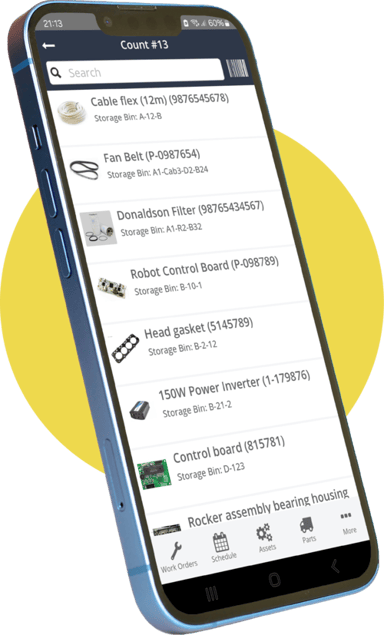
You move what you already carry into somewhere other people can reach, one category at a time. This is a transfer rather than a build, and that difference is most of the reason it turns out smaller than it looks from here. Where to start, and how much old paper is worth carrying across, are separate questions with their own answers.
What changes is the direction things travel:
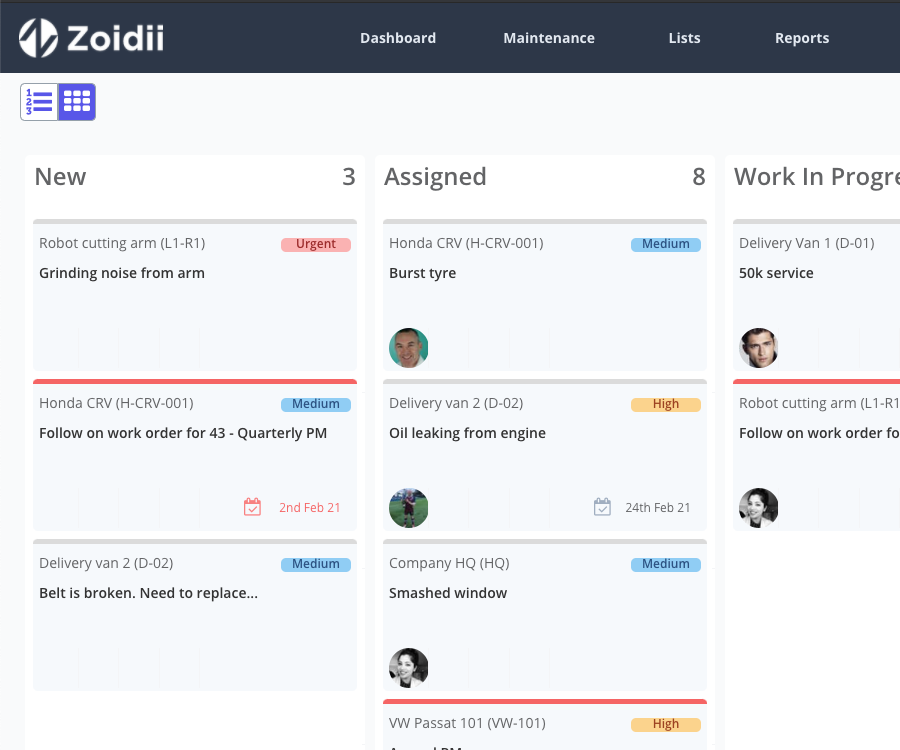
- Requests stop arriving personally. They land in one place, and whoever raised one can see it was picked up. At Grace Healthcare, the nurses logging maintenance issues became noticeably more confident the issues would be dealt with.
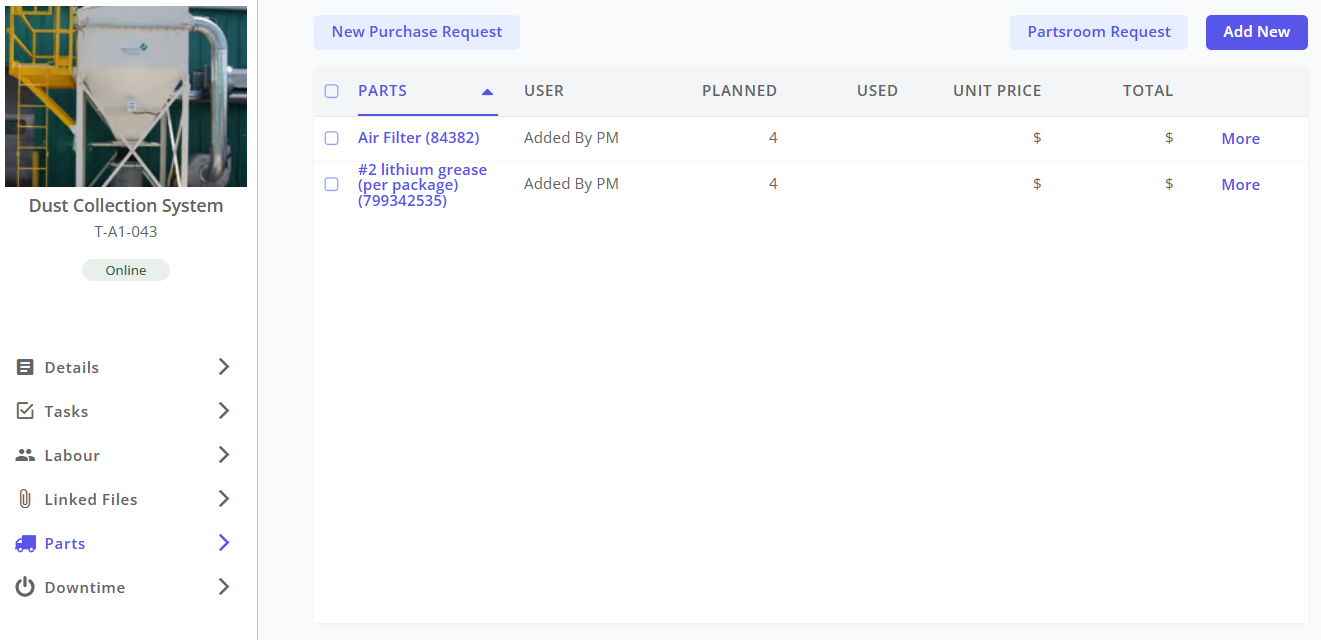
- Questions stop routing through you. The history sits on the asset, so the answer is where the work is. Tricel's technicians became less reliant on second opinions and more confident working on their own.
- Chasing stops. B&M Retail's maintenance planner had been spending 4 to 6 hours of every day chasing colleagues for updates and recording them by hand. The chasing ended once the updates started arriving unprompted.
The operation was always organized. It was stored somewhere only one person could read, and that person has been quietly carrying it for years. Getting organized is the work of moving it. Anyone looking up how to organize a maintenance department is closer to done than they think, because the hard part, knowing what matters, is already finished.
One question is worth putting to any vendor who wants to be the place it goes. How much of the operation currently held in one person's head does this ask them to type in before anybody else can use it? The answer tells you whether you're being offered somewhere to set the operation down, or another thing to carry.